

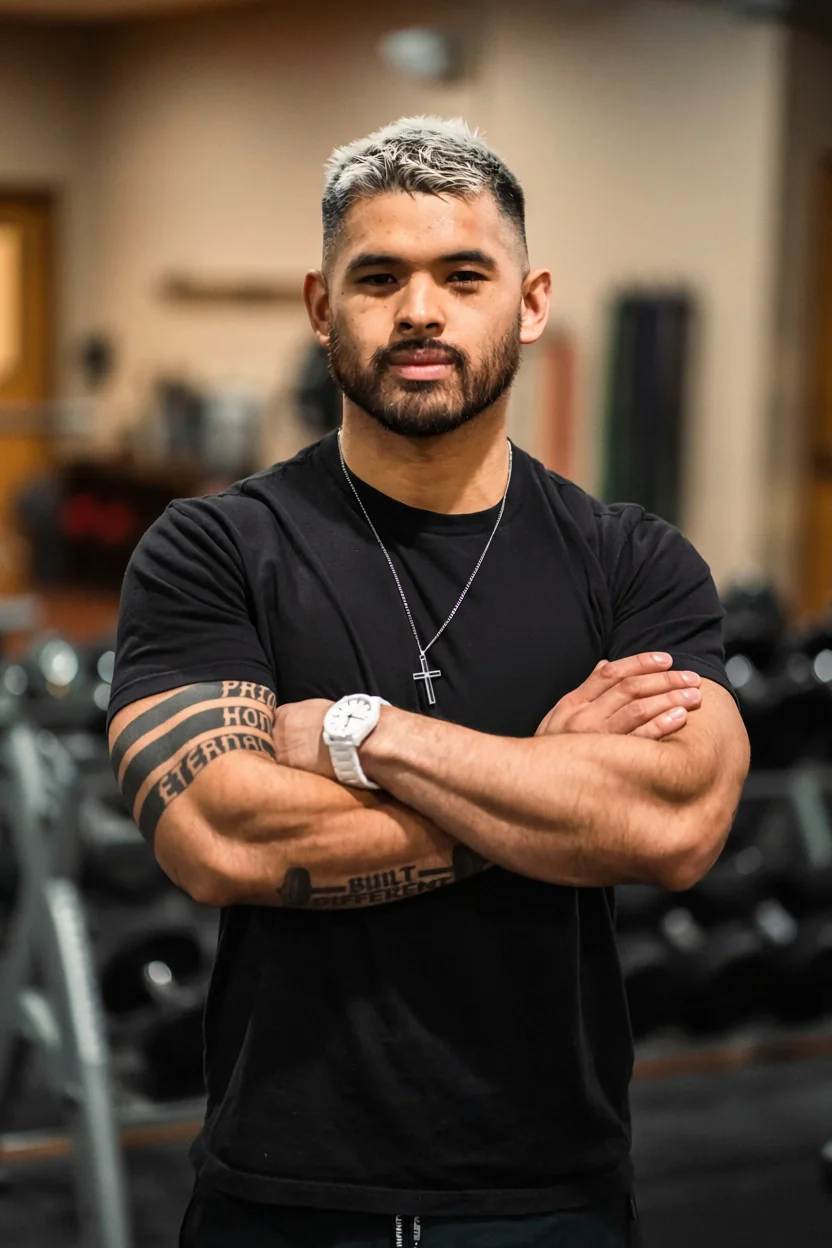
When someone comes to me looking for a personal trainer in Corvallis, Oregon, my first question isn't how many sessions they want to buy. I want to know what they're trying to accomplish, what's been getting in the way, and what kind of coaching arrangement they can realistically maintain.
I direct personal training at Timberhill Athletic Club and performance coaching at G3 Sports & Fitness. Part of my job is meeting with people who want to start training and figuring out which coach, facility, and system make the most sense for them. Sometimes that's me. Many times it's another trainer on our team.
I don't see that as losing a client. I see it as doing the job correctly.
If you're comparing personal trainers in Corvallis, here's what I think matters—and what I'd want you to understand before committing to one.
You're hiring a coach, not just buying workouts
A personal trainer can teach you exercises, count repetitions, and get you through an hour on the gym floor. Those things have their place, but they aren't the full service.
You're hiring someone to make decisions with you: where to start, what to prioritize, how often to train, what needs to change, and how to know whether the process is working.
That matters whether you're walking into a gym for the first time or you've been lifting for years.
There's a misconception that personal training is only for beginners. There's another that it's only for athletes, celebrities, or people chasing a particular physique. Neither is right. Beginners may need someone to teach them how to train safely and build a routine. Experienced lifters may need better programming or someone who can see what they've stopped noticing. Other people are perfectly capable of training on their own but still benefit from a professional guiding the larger plan.
The service is coaching. An in-person session is one way to deliver it.
A good trainer has a system
I expect a personal trainer to understand exercise science: anatomy, biomechanics, physiology, program design, and the practical skills required to coach movement. That knowledge is foundational.
But knowing a lot about exercise isn't the same as knowing how to coach a person over time.
What separates a good trainer, in my experience, is an established methodology. They should have a process for bringing a client in, learning what matters, evaluating a starting point, designing a program, progressing that program, and making adjustments when the original plan isn't enough—or is more than the client needs.
That doesn't mean handing everyone the same workout. It also doesn't mean rebuilding an entirely new coaching philosophy from scratch with every client. The trainer has a system and adapts it to the individual.
I tell my trainers to establish their specialties and own them. A coach can be capable of working with a broad range of people without pretending to be the best possible coach for every person. Different coaches bring different experience, methods, communication styles, and strengths.
That is a feature of a good coaching team, not a problem to hide.
The first 30 minutes should establish the plan
At Timberhill and G3, I start with a complimentary 30-minute consultation. There's no expectation that someone commits to a package during that conversation. My objective is to understand what system could work for them.
We talk about where they are now and where they want to go. We look at their experience with exercise, any limitations or barriers, and what has prevented them from building consistency or getting results before.
Then we get practical. What training frequency makes sense? When are they available? What can they sustain alongside work, family, and the rest of their lives? Do they want to track body composition or strength, or are they mainly looking to feel better and build a dependable routine?
From there we can begin establishing process goals, reasonable timelines, and a coaching arrangement that supports the objective.
Sometimes the answer is two or three scheduled in-person sessions per week. Those appointments may be exactly what keeps someone consistent. Other people are highly independent. They don't need someone beside them at every workout; they need a program, professional oversight, and periodic check-ins.
Neither model is automatically better. The right one is the one the person can execute.
How I match a client with a trainer
When I'm pairing someone with a coach, I consider more than their stated fitness goal.
Expertise matters. If someone has a specific training objective, I want a coach whose knowledge and methodology line up with it. Availability matters. A great program is not useful if the client can't reliably make the appointments. Independence matters. Someone who needs recurring in-person accountability requires a different arrangement from someone who already trains consistently on their own.
Then there's personality. I don't treat rapport as an afterthought. Some people respond well to a highly energetic coach. Others want a straightforward, quieter approach. Some have a preference for a male or female trainer. Some want a coach who pushes them; others need someone who recognizes when to pull back.
You have to consider the relationship they're going to be in for months, maybe years. A good match makes consistency more realistic.
My own coaching tends to attract motivated, results-driven people who want detailed structure, particularly around physique development and performance. I often spend more time directing their effort than trying to generate it. That's a good fit for me, but it doesn't make my approach the best fit for everyone.
I've had many consultations where I could have trained the person myself, but someone else on the team could provide the more appropriate experience. So I match them with that person.
Not everyone needs the same level of intervention
I use an intervention hierarchy across my work: Inadequate, Adequate, Optimal, and Enhanced. It applies to coaching, training, nutrition, and the broader client experience. You can see the full framework in The Standard.
The important part is that adequate is a legitimate target, not a failure.
Someone beginning at zero may need a safe, structured plan and a coach who helps them keep showing up. That's meaningful progress. They don't need advanced periodization, extensive testing, or a new performance target every week to justify the coaching relationship.
Someone else may want to measure strength, body composition, or athletic performance. They need a system that captures those outcomes and adjusts when progress slows.
And then there are people pursuing smaller margins—experienced trainees who want a highly detailed approach because the fundamentals are already in place. That's where more advanced intervention may be appropriate.
One of my clients is a high-performing businesswoman I've coached for nearly two years. From our first consultation, her goals were clear: physique and aesthetics, direct expectations, and a plan she could follow consistently. She wasn't looking for someone to cheer her through workouts. She wanted guidance, structure, and measurable outcomes.
That works with how I coach. I track data for my clients. Some care about every measurement and some don't. Either way, someone needs to be paying attention to whether the process is working.
But measuring progress also means knowing what counts as progress for this person. For someone trying to establish the habit of training, showing up consistently, exercising safely, and feeling better may be exactly the result we're pursuing. I wouldn't judge that person against the same metrics I use for a performance-driven client.
What to watch for when choosing a personal trainer
The first is someone who sells sessions before they understand the problem. If the recommendation is immediately, “Come see me three days a week and we'll work it out,” I would want to know why three days—and what the plan is supposed to accomplish. Sessions should follow the strategy, not replace it.
The second is a trainer who can't explain their process. They don't need a complicated presentation. They should be able to tell you how they assess, program, progress, and adjust—and how those decisions would apply to you. If all you're hearing is what you want to hear, without much explanation of what will happen next, pay attention.
The third is someone who claims to be the perfect trainer for everyone. I am skeptical of that claim. Specialization, personality, and coaching style matter. A professional should recognize both what they do well and when another coach may be a better fit.
Another consideration is choosing a trainer primarily because you already know them. Maybe they're a friend, someone you see socially, or someone you've known for years. That familiarity can be a positive. It doesn't automatically mean they're the best coach for you.
I would still ask the same questions I would of any trainer. Does their specialty fit your goal? Does their coaching methodology fit how you need to train? Can you both maintain clear expectations, honest feedback, and accountability when an existing personal relationship becomes a professional one? Sometimes that dynamic works very well. Other times, the familiarity makes it harder to establish the boundaries that effective coaching requires.
You don't need to rule out a trainer because you know them. But knowing them shouldn't be the reason you skip evaluating whether they're the right fit. The professional fit has to come first.
And yes, people sometimes hire a trainer because that trainer looks like the result they want, or because they like the person's public image. I understand the appeal. But looking a certain way doesn't, by itself, tell you whether someone can coach you toward your goal.
What happens after the match
If someone is training with me, we begin my onboarding process: scheduling, expectations, standards, the plan, and whatever measurements make sense for their goal.
If I'm pairing them with another trainer, I provide a client debrief and handoff so that coach understands the goals, background, barriers, preferences, and decisions we discussed. I want that trainer prepared before the first session.
Then the coach takes over. They run their assessment, their programming, their progression, their scheduling, and their relationship with the client. My job is to make a sound introduction and give them the information needed to begin. The coach's job is to coach.
This is why I want trainers to have their own established systems. A good handoff should lead into a functioning coaching process, not leave the client starting from zero all over again.
Finding the right personal training in Corvallis
At Timberhill Athletic Club, much of our personal training work centers on adult health, general fitness, and longevity. At G3 Sports & Fitness, our work includes youth athletic development, adult human performance, and specialized performance coaching. The right facility and the right coach depend on the individual—not just the label on the service.
If you're looking for a personal trainer in Corvallis, I wouldn't start by asking who has the hardest workouts, the largest following, or the most impressive physique. I'd ask whether the coach understands what I'm trying to do and can explain the system that will help me do it.
You aren't paying someone simply to stand next to you while you exercise. You're investing in professional guidance, sound decisions, and a process you can sustain.