

When someone asks me what a personal trainer costs, I can give them a price per session. That number rarely answers what they're really asking.
Most people want to know whether a trainer is worth the money. How often would they need to meet? How much help would they get? Are they paying for someone to stand next to them during a workout, or for someone who can get them somewhere they haven't been able to get on their own?
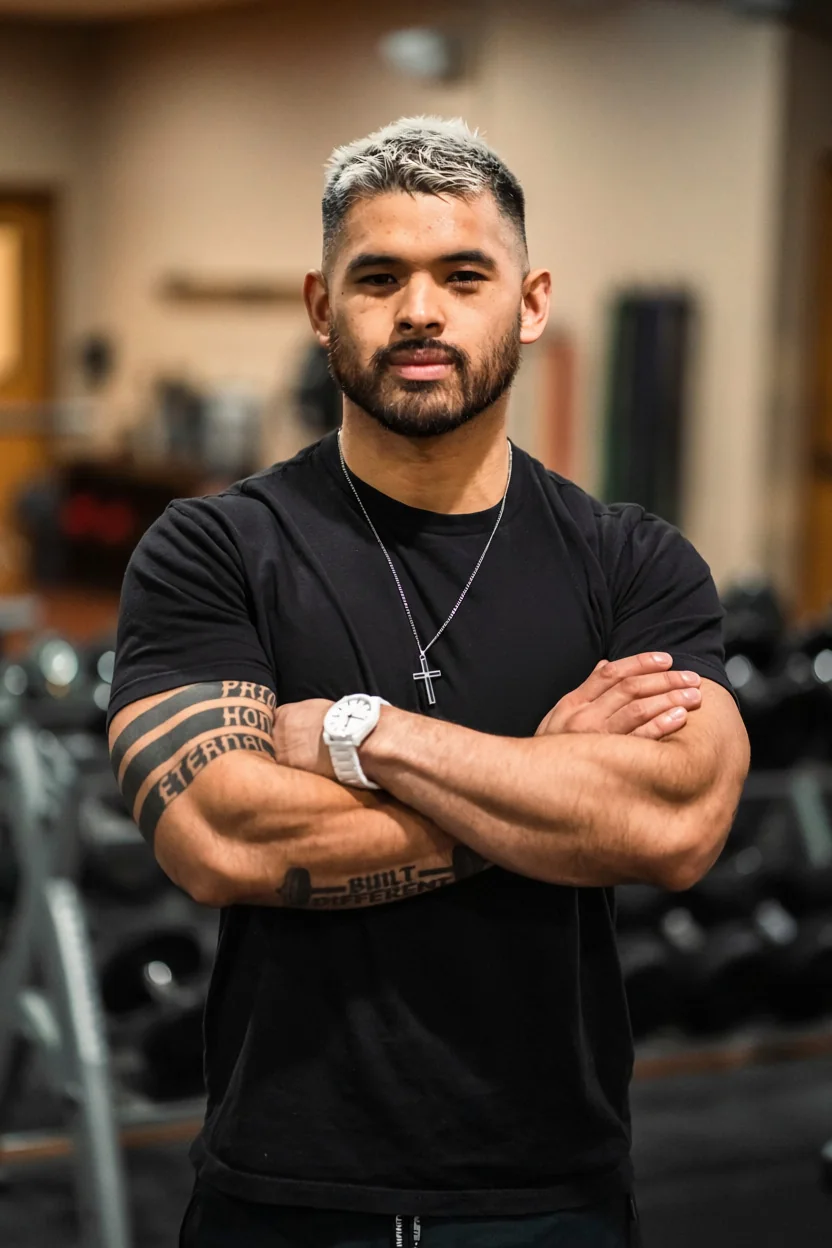
I'm Director of Personal Training at Timberhill Athletic Club and Director of Performance at G3 Sports & Fitness, and those are the questions I think should set the cost. If you're comparing personal training prices in Corvallis, here's how I'd look at them.
What personal training costs in Corvallis
There's no single rate. You might be looking at individual sessions, session packages, small-group training, hybrid coaching, or a bigger arrangement that includes programming and regular check-ins.
Here's a real local example instead of a made-up average. As of October 2026, G3 Sports & Fitness lists a single 60-minute personal training session at $70. Eight 60-minute sessions are $528, which works out to $66 a session, and 20 sessions are $1,200, or $60 a session. G3's hybrid training, which pairs its training app and nutrition coaching with 60-minute check-ins, is $225 a month with one check-in, $291 with two, and $419 with a check-in every week.
That's one facility, not a market average, and prices and what's included can change. Check the current offer before you buy.
Timberhill Athletic Club offers 30- and 60-minute personal training, small-group training and hybrid coaching, but its public page doesn't list standard prices for them. To get a current number there, talk through which format fits you.
If a facility requires a membership, that may be a separate cost from the coaching. Ask about it before you compare totals.
The price per session is only part of it
Take two people. One books two coached sessions every week. The other meets with a coach once a month and follows the program on their own in between.
They aren't buying the same service, and they probably don't need the same service.
The first person may need those appointments to stay consistent. Maybe they're new to exercise, need close coaching on technique, or know they won't follow through without time blocked off on the calendar. For them, in-person sessions are part of the solution.
The second person may already be motivated and comfortable in the gym. They don't need someone counting reps or reminding them to show up. They need someone to check the plan, progress the program, look at what's happening and make the call when something isn't working.
If I sold both of them three sessions a week without asking any of that, I wouldn't have evaluated either one. I'd just have sold a package.
What you're paying for is the system
A good trainer has a system: how they bring a client on, assess where they're starting, build the program, teach technique, track progress and decide what needs to change.
That's the part people don't see when they compare prices. Two trainers can both sell a 60-minute session and deliver very different coaching. One takes you through a different workout every time. The other works from a plan, and each session is one step in a longer progression. From the outside, the workouts can look alike.
Not every client needs the most detailed system available. A big part of how I coach is matching the intervention to the person. Someone who has never exercised consistently may just need safe instruction and a routine they can repeat. That's an adequate intervention, and adequate can be exactly right.
Someone chasing a specific physique or performance goal may need more detailed programming, tracking and adjustment. That takes more of a coach's attention, and the goal should justify it. More coaching only helps when the goal calls for it.
Budget for the whole commitment
If you're budgeting for personal training, I'd look at four things:
- The format. One-on-one, small group, or training on your own with regular check-ins are different ways to get coached, and they're priced differently.
- How often you'll realistically need it. If you need two sessions a week to get consistent, budget for that instead of hoping one monthly appointment will do it. If you already train consistently on your own, don't pay for in-person sessions you don't need.
- What happens between appointments. Ask whether you get a written program, an app, messaging, reassessments, progress reviews or nutrition support. Don't assume any of it is included.
- Whether you can keep it up. Pick something you can afford long enough for it to work. Three great weeks followed by quitting doesn't get you anywhere.
I talk with people who want to go from zero to five days a week right away. Usually the problem isn't ambition. The schedule just doesn't fit their life, and spending more to lock in a routine they can't keep is rarely a good investment.
When a higher price is worth it
If you're looking at a more expensive trainer, find out what you get for the difference.
Do they specialize in the outcome you want? Will they assess and program at the level you actually need? Do they have a clear method, and can they tell you how they'll know whether you're progressing? Does the way they communicate work for you? Will they bring in a healthcare professional when something falls outside their scope?
How a trainer looks, or how many followers they have, might be what caught your attention. Neither one answers those questions.
I've coached people who wanted detailed physique and performance outcomes and were ready to follow a structured plan. That fits how I coach. I've also met people whose biggest need was a safe routine and the habit of showing up. Another trainer on our team may suit them better. I could work with them, but getting the match right matters more to me than selling my own time.
What I'd ask before buying personal training
Instead of only asking "What's your hourly rate?", I'd ask:
- Based on my goals and training history, what do you think I need?
- Why this number of sessions?
- What happens when I'm not with you?
- How will we know the plan is working?
- What would make us change the program or how often we meet?
A trainer who can answer those is starting to sell you a plan. One who can't is selling you sessions.
Start with the consult
At Timberhill and G3, everyone starts with a complimentary 30-minute consultation. We talk about where you're starting, where you want to go, your limitations and barriers, your schedule, and how much accountability or independence makes sense for you.
Then we set up the coaching and, if it fits, match you with a trainer. Sometimes that trainer is me. Often it's someone else on the team. I wrote about what I look for when matching someone with a trainer if you want the longer version.
Price matters, and I won't tell you to ignore it. I'd weigh it against the system you're getting, the coach delivering it, and whether you can keep it going. Don't buy more sessions than you need, and don't buy less support than your goal requires.
Sources
- G3 Sports & Fitness, Personal Training (prices checked October 2026)
- Timberhill Athletic Club, Personal Training