

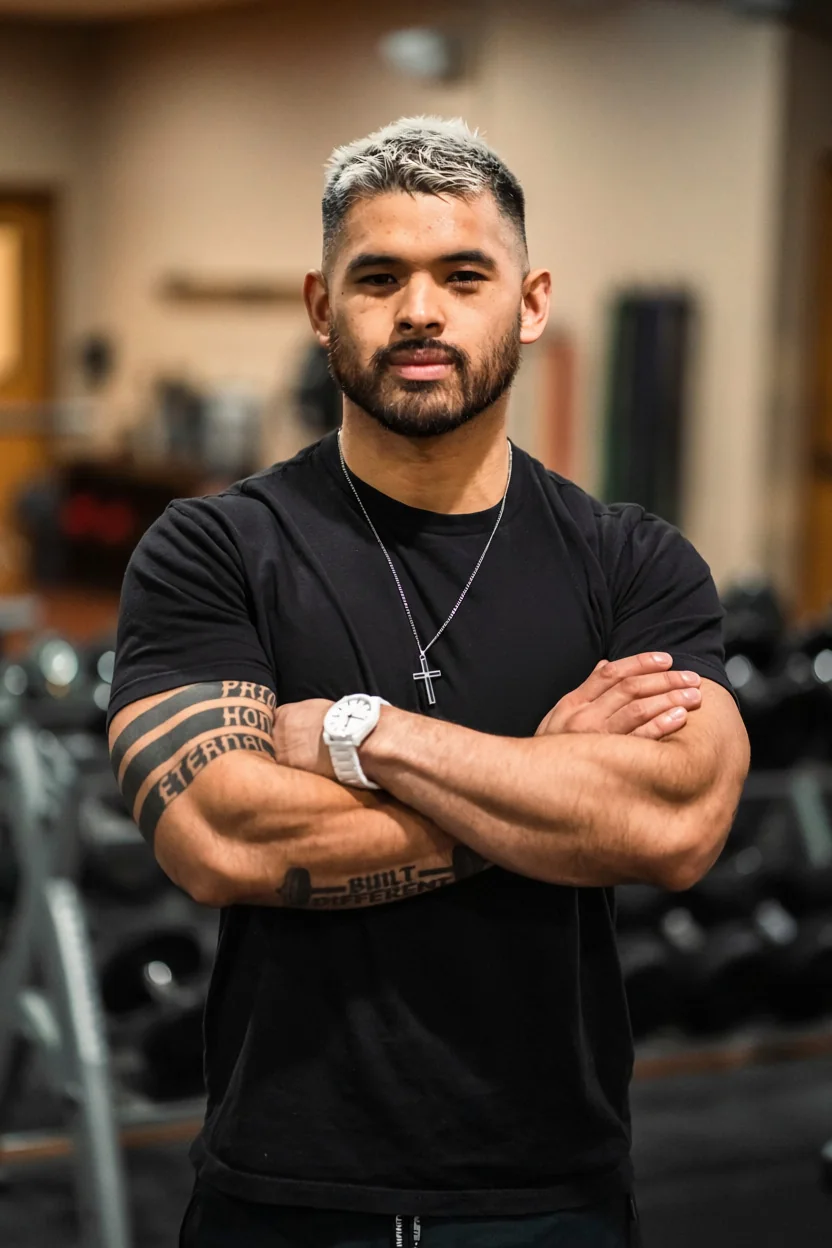
I've been called a personal trainer, a strength coach, a performance coach and Director of Training. Depending on the day, all of them fit, which is part of why hiring a coach gets confusing.
People ask me whether a personal trainer or a strength and conditioning coach is better. The title alone doesn't tell you enough. What matters is the person's education, experience and coaching method, and whether their specialty fits what you're trying to do.
I direct personal training at Timberhill Athletic Club and performance coaching at G3 Sports & Fitness in Corvallis, so I work in both settings. I've also matched clients with trainers who suited them better than I would have. The difference between the two roles is worth understanding, but I wouldn't hire anyone on the job title alone.
What a personal trainer usually does
Personal trainers generally work with people who want to improve their health, fitness, strength, body composition or movement, or who want to stay active.
That could be someone who has never exercised, someone coming back after years away, an adult who wants to stay independent as they age, or an experienced gym member who wants more guidance.
A capable personal trainer should be able to find the right starting point, write a program, teach technique, run sessions safely and adjust the plan over time. They also need to communicate well. Knowing what someone should do is one skill. Helping that person actually do it for six months is another.
Personal training isn't limited to beginner workouts, either. Depending on who's providing it, it can be very technical, highly individual and performance focused.
What a strength and conditioning coach usually does
Strength and conditioning coaches usually focus on building the physical qualities that a sport, a performance standard or a physically demanding job requires. That can mean maximal strength, power, acceleration, change of direction, conditioning and readiness to train, all fitted around a competitive calendar.
An athlete's plan can't be a hard workout every day. It has to account for practices, games, fatigue, what the sport demands, and which quality we're trying to improve in a given phase. That's why training organization, testing and progression matter so much here. A strength and conditioning coach needs to know more than which exercise makes an athlete tired. They need to know why something belongs in the plan and whether it's producing the change they wanted.
The NSCA's Certified Strength and Conditioning Specialist (CSCS) credential, which I hold, is built around the science and practice of strength and conditioning. A credential is where you start evaluating a coach, though. It doesn't guarantee their judgment on the floor.
The overlap is bigger than people think
There's no clean line between the two jobs. A personal trainer might coach an athlete. A strength coach might work with an adult who just wants to get fit. Plenty of professionals do both, and neither title guarantees the same qualification from one employer or location to the next.
So I don't get too attached to the label. I care about the problem in front of me. If someone wants to feel comfortable in the gym and build a routine, I want a coach who's great at teaching, building habits and keeping training sustainable. If someone is getting ready for a season and needs to improve specific performance qualities, I want a coach who understands those demands and can build a plan around them. Advanced physique development may call for yet another specialty. You're rarely choosing between a generic personal trainer and a generic strength coach.
How that plays out between Timberhill and G3
At Timberhill Athletic Club, our personal training mostly centers on adult fitness, health, strength, confidence and longevity. We work with people at every starting point, from complete beginners to experienced lifters.
G3 Sports & Fitness puts more emphasis on youth athletic development, adult human performance, and getting people ready for specific athletic or job demands.
That context changes how a coach evaluates someone and writes their program. It doesn't mean every adult belongs at Timberhill or every serious trainee belongs at G3. We figure that out in the consult, and the right answer often depends as much on a coach's specialty, schedule and personality as on the facility.
Not every athlete needs advanced coaching
This is where my intervention hierarchy comes in. I use four levels, Inadequate, Adequate, Optimal and Enhanced, to decide how much intervention a person actually needs. It describes the training and coaching, and it says nothing about how fit someone is.
A young athlete walking into the weight room for the first time might need safe instruction, a structured plan and consistency. That can be an adequate intervention, and there's nothing wrong with it. Throwing advanced methods at them before the fundamentals are in place just adds complexity.
An experienced athlete with several years of training, a specific performance limitation and a season coming up may need more precise programming, monitoring and planned phases. The intervention should fit the person and the goal. Wanting to look advanced as a coach isn't a reason to add any of it.
Adults are the same. Some want to exercise safely and feel better. Others want to track every variable that matters because their goals call for it.
How I decide who coaches someone
In the complimentary 30-minute consult, I look at the client's goals, training background, limitations, schedule, motivation, independence and the kind of communication that works for them. Then I look at which coach's system makes the most sense.
Being able to help someone doesn't mean I should automatically be their coach. If another trainer has a better method for what they need, or a style that will build a stronger working relationship, that's who I want them with.
Once we've made the match, I give the coach a debrief and hand the client off. From there the coach runs their own assessment, programming, progression, scheduling and relationship with the client. That matters to me. Each trainer needs to own their method instead of running a workout I handed them.
What I'd ask either one before hiring
I wouldn't start with "Are you a personal trainer or a strength coach?" I'd ask:
- What kinds of clients do you work with best?
- What experience do you have with the result I'm after?
- How do you find a starting point and progress a program?
- What changes in your approach when someone isn't improving?
- What qualifications do you hold, and are they current?
- Do your coaching style and availability fit how I actually live and train?
If a coach can answer those clearly, the title matters a lot less. If they can't, the title won't fix it.
Choosing the coach
Someone looking for a personal trainer in Corvallis doesn't necessarily need the most advanced strength coach around, and an athlete doesn't need every piece of an elite performance setup. Both need someone whose system fits their needs, whose expertise fits the goal, and whose approach they can stick with. A title tells you what someone calls themselves, so ask how they plan to coach you.
If you're deciding between personal training at Timberhill and performance coaching at G3, the consult is where we sort out what you're looking for, and then where and with whom you should train. After that comes how often you should work with your coach.