

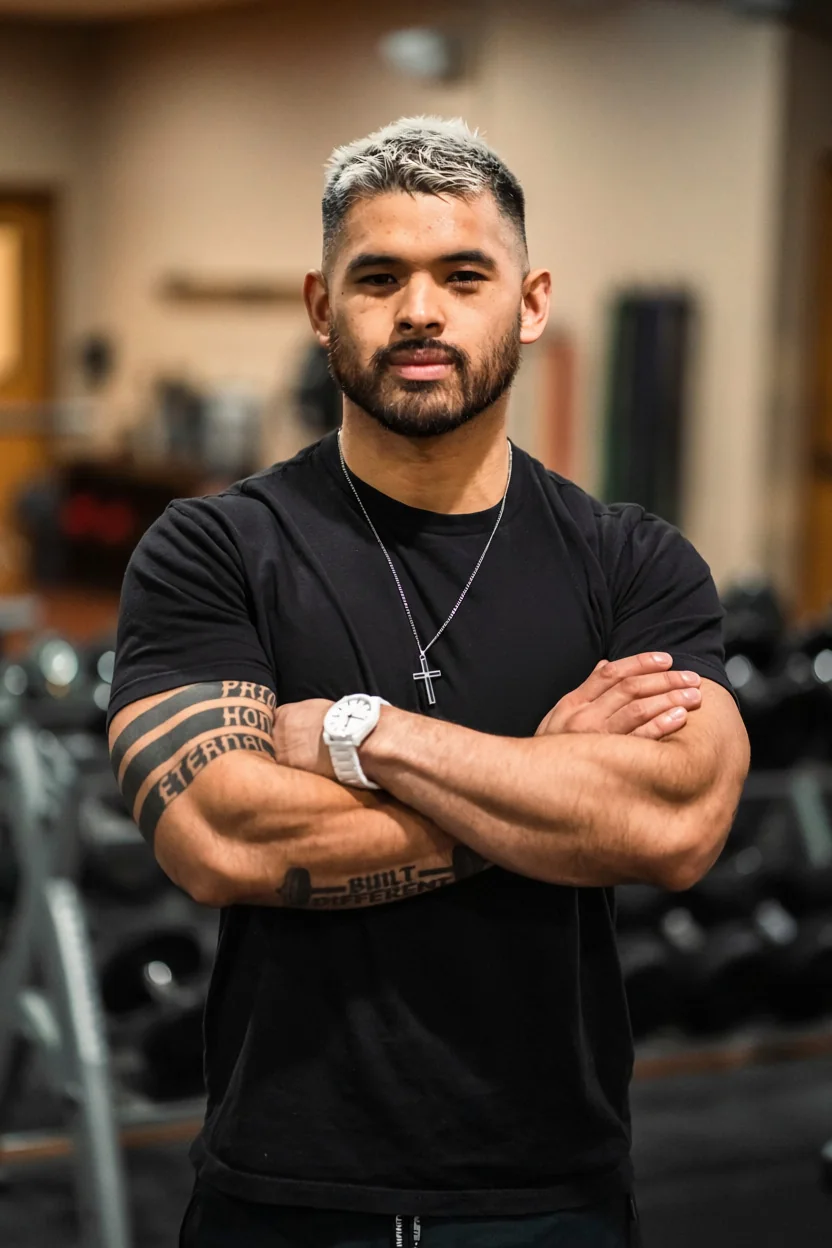
I've worked with a lot of personal trainers, and part of my job as a director is evaluating them. I'm looking at more than whether they can lead someone through a workout. I want to know whether they have the knowledge, judgment and professional standards to be responsible for another person's training.
Certifications matter. I'm a Certified Strength and Conditioning Specialist through the NSCA, and my degree in exercise and sport science gave me the foundation I coach from. But a certification is where a coach starts, and I don't assume two credentials are equal just because both show up after someone's name.
If you're choosing a trainer, or you own a gym and want clearer hiring standards, a few distinctions are worth knowing.
What a certification shows
A legitimate certification should show that a professional met defined eligibility and testing requirements for a particular scope of work. That's worth something. Anyone responsible for coaching other people needs a foundation in anatomy, physiology, exercise technique, safety, program design and professional responsibility.
Passing an exam doesn't tell me how someone talks to a nervous beginner, whether they can build a practical six-month plan, or what they do when a client stops progressing. They have to show me that in practice.
I've said before that what separates a good trainer is having a system. The credential covers a body of knowledge. Their coaching method decides how that knowledge gets applied to the person in front of them. I need to see both.
Be precise about what's accredited
Fitness marketing tends to blur the name of a credentialing organization with the status of a specific certification program.
The National Commission for Certifying Agencies (NCCA), the accrediting body of the Institute for Credentialing Excellence, accredits certification programs against its published standards. Accreditation is an independent review of how a certification program is built and maintained. It doesn't evaluate every workout delivered by everyone who holds that credential.
It also helps to separate a professional certification from a course-completion certificate or an assessment-based certificate program. The Institute for Credentialing Excellence treats these as different kinds of credentials with different standards, so they shouldn't be talked about as if they were the same thing.
That's why I'd verify the exact certification someone holds, instead of relying on a badge, an organization's marketing, or a claim that everything it offers is accredited.
Check the credential itself
When I'm evaluating someone's qualifications, I want to know exactly what they earned. Who issues the credential? What's its full name? What knowledge and practical responsibilities does the exam cover? What are the prerequisites? Is the program accredited by an appropriate third party? Is this person's certification active right now, and what does it take to renew?
They're basic questions, and a professional standard is built on them.
A credible organization makes its requirements easy to understand. Where the issuer offers a verification tool, use it to confirm a professional's current status. The NSCA, for example, has a certification verification page.
A certificate from a weekend course can have real educational value, but it doesn't carry the weight of a comprehensive professional certification. An advanced specialist credential doesn't replace basic coaching competence, either. The goal is to know what each credential actually is, and the number of initials after a name won't tell you that.
Credentials should match the job
I don't hire or assign a coach based on how many certifications are in their bio.
Someone coaching general-population clients who need safe instruction and consistency should have the right foundational qualification and be able to build a training process people can keep up. Someone responsible for athletic performance may need deeper knowledge of testing, strength and power development, program organization, sport demands, and how training interacts with competition. I went into that difference in personal trainer vs. strength coach.
Neither role is better than the other. The requirements should follow the responsibility.
My intervention hierarchy, Inadequate, Adequate, Optimal and Enhanced, applies to trainer development too. A legitimate accredited qualification plus competent coaching can be an adequate professional starting point. Ongoing education, mentoring and well-built systems move a coach forward from there, and more specialization makes sense when the role calls for it. A coach should be qualified for the work they're actually doing, which can take more than the title on their business card.
Continuing education should change how you coach
Most certifications require some mix of renewal, continuing education and keeping required eligibility or safety credentials current, depending on the issuer.
I want trainers to use that process to get better at coaching. Rushing through courses at the deadline wastes it.
Not every course is equally useful. If a trainer mostly works with older adults, their continuing education should help them coach older adults better. If they coach athletes, it should reflect what athletes need.
It should show up somewhere: in better assessments, better programming, better communication, more responsible decisions, or knowing when to refer someone to another professional. Otherwise collecting continuing education units is just compliance.
What a credential can't tell you
A certificate won't tell you whether a coach listens, or whether they sell a package before they understand your goals. It won't tell you whether they can adapt their process without abandoning it, or whether they're honest about their limits instead of telling every prospective client they're the best coach for everyone. That comes out in the consult, and over time in the coaching relationship.
When I meet someone looking for a trainer at Timberhill or G3, I start with what they need. Then I look at which coach has the experience, method and personality to work with them, and if another trainer fits better than I do, I recommend that trainer. The credential is one part of that decision.
Why I'm building The Credential Standard
Managing trainers has shown me that checking credentials takes more work than it should. There are credential issuers, certification programs, course certificates, accreditation claims, renewal dates and continuing education requirements. Employers have to verify all of it, and coaches need to know which credentials actually support the careers they want.
So I'm building The Credential Standard, a source-checked reference for professional fitness credentials. It's meant to make it easier to compare requirements, check published accreditation claims, understand what renewal takes, and set clearer standards for different coaching roles. It started as a problem I deal with running a training staff, and you can join the waitlist on its page.
What to ask a trainer
If you're hiring a personal trainer, you don't need to become a credentialing expert. I'd ask a few direct questions:
- What's your primary certification, and is it current?
- What does that credential qualify you to do?
- What experience do you have with clients like me?
- How do you keep learning and improving as a coach?
- Can you walk me through how you assess, program and progress?
If someone has strong credentials but can't explain how they'll help you, keep asking. If they have a great personality but no professional foundation you can verify, keep asking there too. I want coaches who are qualified and capable. A certification answers part of the first. Their coaching has to answer the second.