

Most people judge a personal trainer by the session. Was it hard, did the hour go fast, did they leave sore. That's the part you can see, and it's the smallest part of the job.
You don't need more workouts. You need structure, progression and a plan built for your life, with someone checking that it gets done. That's what you're paying for.
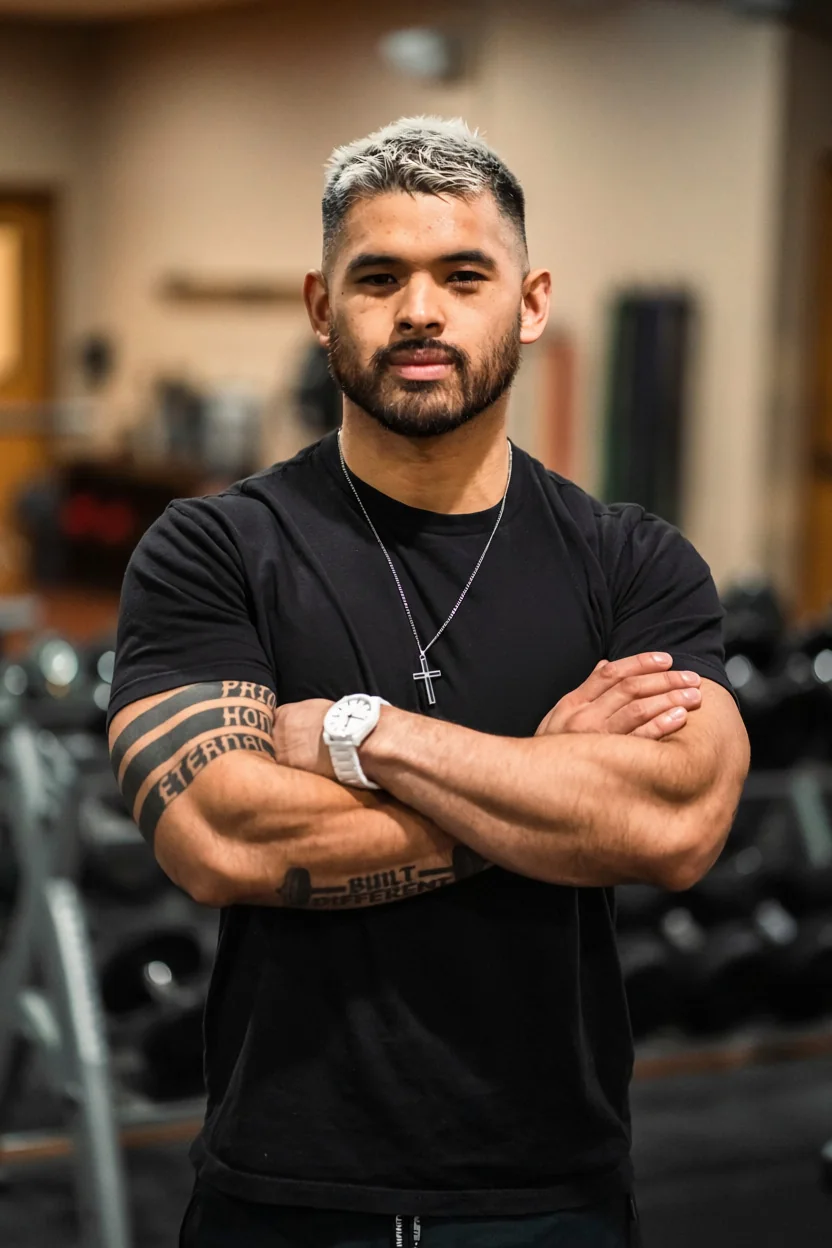
I direct personal training at Timberhill Athletic Club and performance at G3 Sports & Fitness, so I spend a lot of time looking at what trainers actually deliver. Good personal training has five parts. If one of them is missing, you're getting less than you paid for, even if every session feels great.
An assessment that sets the starting point
Good coaching starts with finding out where you are before deciding where to go. That means your goals, your training history, what's gotten in the way before, how you move, and what you can realistically fit into your week.
The assessment doesn't have to be elaborate. It has to change something. If a trainer runs you through a set of tests and then writes the same program they'd write for anyone, the assessment was for show.
What it looks like in practice: your first sessions answer real questions. What weight is right for you on this lift? Which positions are you comfortable in? How much work can you recover from right now?
A program, not a list of workouts
A program is a plan with a direction. Each session connects to the one before it and the one after it. A list of workouts is a different hard hour every time.
From the outside they can look the same. The difference shows up over a month. With a program, you'll see the same main lifts come back, the loads or reps move in a planned way, and the trainer can tell you what this block is supposed to improve.
Ask: "What is this phase of training for, and how will we know it worked?" A trainer with a program can answer that in a sentence.
Coaching in the session
This is the part people expect, and it still matters. Good coaching means clear instruction, a cue that fixes the problem in front of you, and loads that match what you can do well today.
It also means knowing what to leave alone. A coach who corrects everything at once usually fixes nothing. Pick the one thing that matters most, fix that, and move on.
Progression you can see
Progress is the reason the program exists. Depending on your goal, that might be more weight on the bar, more quality reps, better positions, a body composition change, or simply showing up twice a week for three months straight.
Not every client needs the same kind of progress. I use an intervention hierarchy in all my coaching: Inadequate, Adequate, Optimal and Enhanced. For someone starting from zero, a safe routine they keep doing is a real result. Adequate is a legitimate target, not a failure. For a trained athlete chasing a smaller margin, progress means something much more specific.
What matters is that your trainer knows which kind of progress you're after, and is tracking it.
Accountability that's built in
Accountability isn't someone texting you "you got this." It's a system that notices when the plan isn't getting done and does something about it.
That can be scheduled sessions, check-ins between appointments, a training log someone actually reads, or a regular review of what's working. The right amount depends on the person. Some clients need a coach there for every session. Others train on their own and need someone checking the bigger picture once a week or once a month.
Either way, someone should be paying attention. If you miss two weeks and nobody notices, the accountability part is missing.
What to do if one is missing
Most trainers are strong in some of these and weaker in others. That's normal. The question is whether the gaps are getting covered.
If you're working with someone now, ask them directly:
- How did you decide where I should start?
- What is this block of training supposed to improve?
- How are we tracking whether it's working?
- What happens when I miss sessions or progress stalls?
A good trainer won't be bothered by those questions.
If you're still choosing a trainer, I wrote about what I look for when I match someone with a coach. And if you're deciding how often to meet with one, start with how often you should work with a personal trainer.
Every local client I work with starts with a free 30-minute consult. We go through your goals, your history and your schedule, then I place you with the coach and the plan that fit, even when that isn't me.